Thermal Behavior under Mechanical Constraint
Link dimensional change to load and temperature
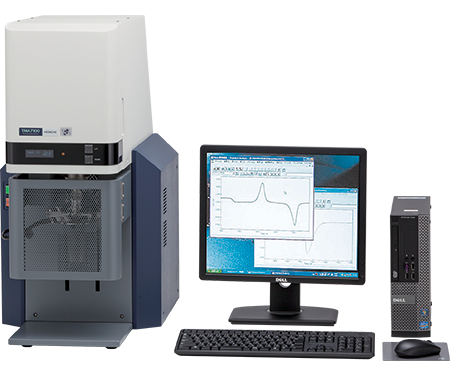
TMA extends thermal characterization by combining temperature control with defined mechanical loading, making it highly relevant for materials that experience thermal stress in service. Depending on test mode, it can be used to determine expansion behavior, penetration and softening trends, and deformation-related transitions.
The method is broadly useful for polymers, films, composites, and engineering materials where geometry stability and load response matter. Key setup factors include probe type, force level, contact conditions, and thermal program. With a robust protocol, TMA helps link laboratory measurements to application-level behavior, supporting better design choices and more reliable thermal-mechanical validation.